Planets of the Solar System
A star and eight planets make up our solar system — one blazing ball of hydrogen and
helium at the center, four small rocky worlds close to home, and four giant worlds of
gas and ice further out. Pick one below to see HD imagery, key facts, and the details
that make it unique.
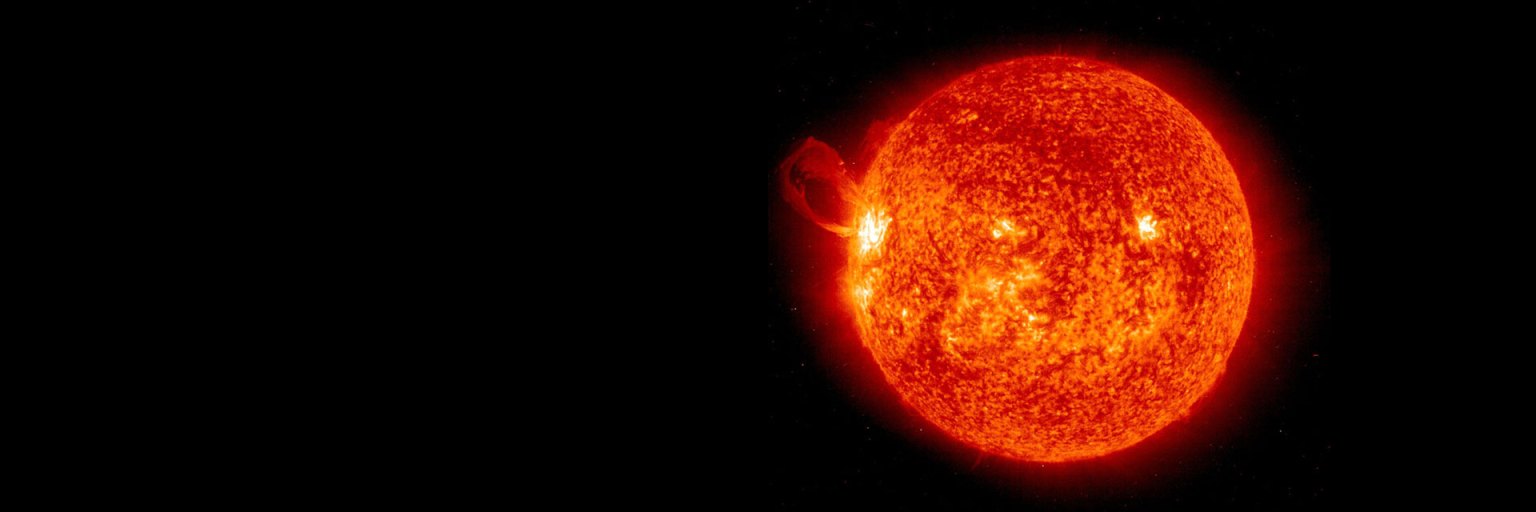
The Sun
The star at the heart of our solar system, holding every planet in orbit.
Explore the Sun →

Mercury
The smallest planet and the closest to the Sun, scarred by countless craters.
Explore Mercury →

Venus
The hottest planet in the solar system, wrapped in thick, toxic clouds.
Explore Venus →
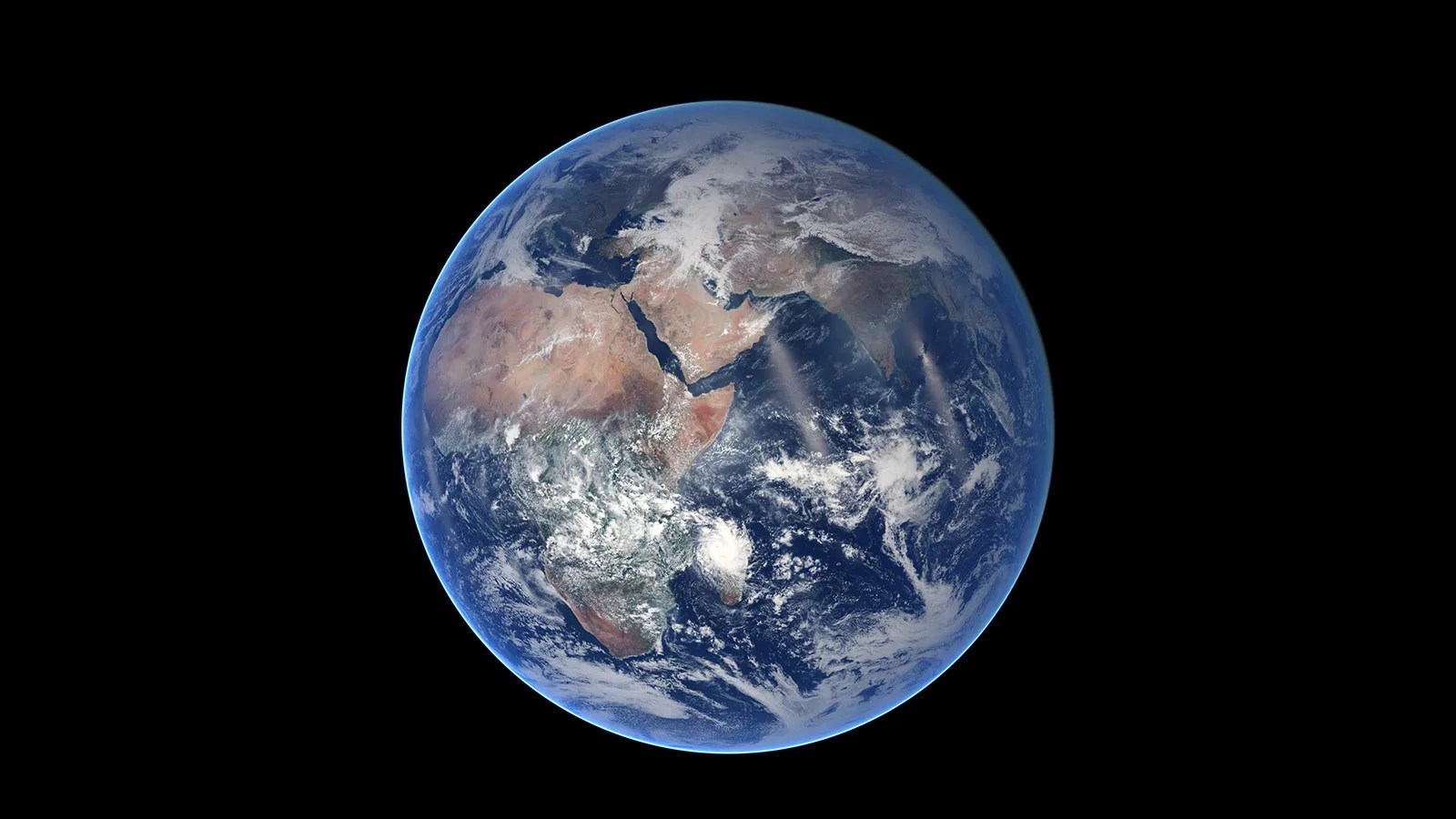
Earth
Our home, and the only known planet with liquid water on its surface.
Explore Earth →
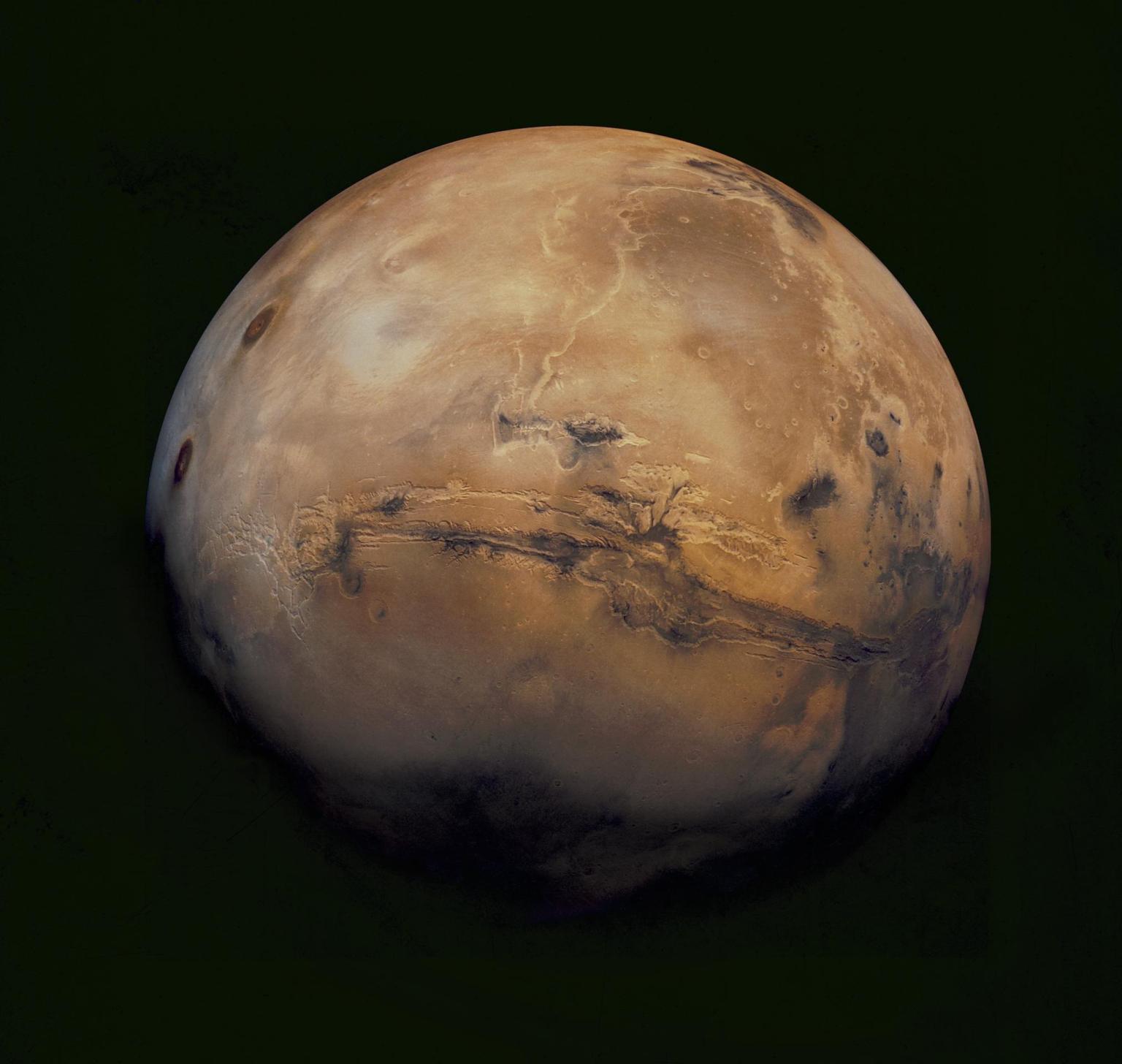
Mars
The Red Planet — cold, dry, and currently home to robotic explorers.
Explore Mars →
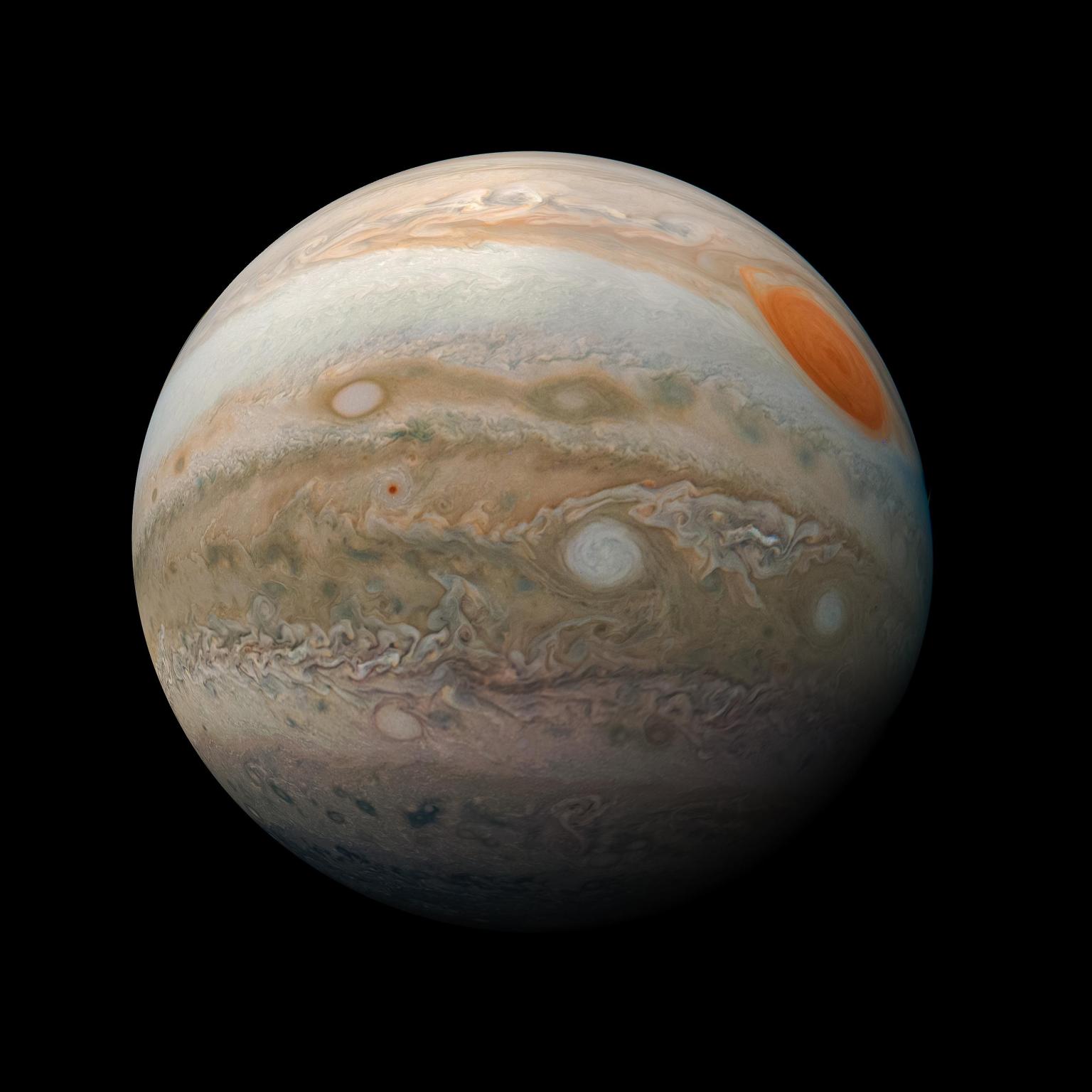
Jupiter
The largest planet in the solar system, famous for its Great Red Spot.
Explore Jupiter →
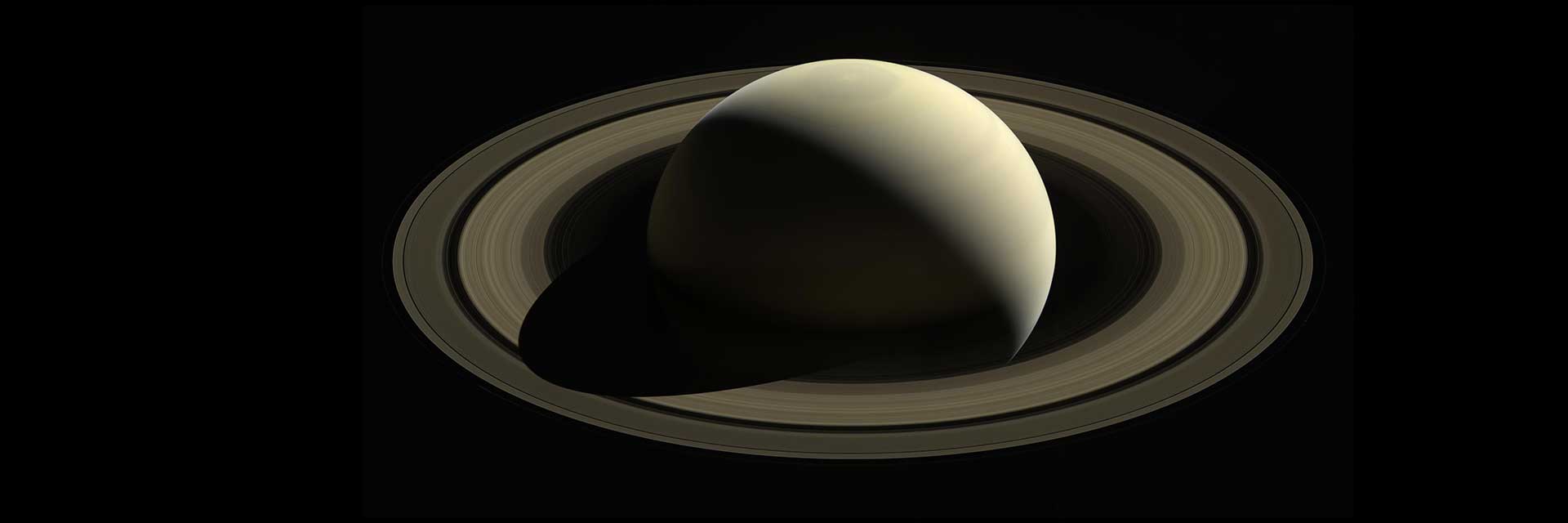
Saturn
Instantly recognizable for its spectacular system of icy rings.
Explore Saturn →

Uranus
An ice giant that spins on its side, with a faint system of rings.
Explore Uranus →

Neptune
The most distant planet, dark and cold with supersonic winds.
Explore Neptune →
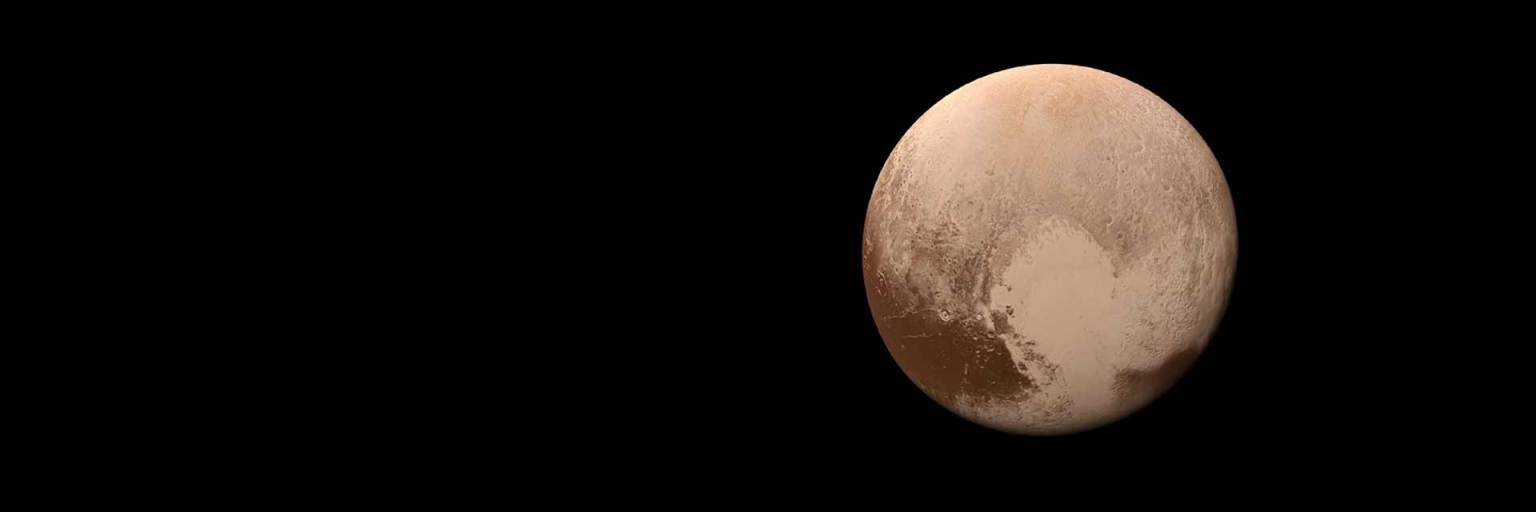
Pluto
A dwarf planet in the Kuiper Belt, famous for its icy heart-shaped plain.
Explore Pluto →